






Profesional
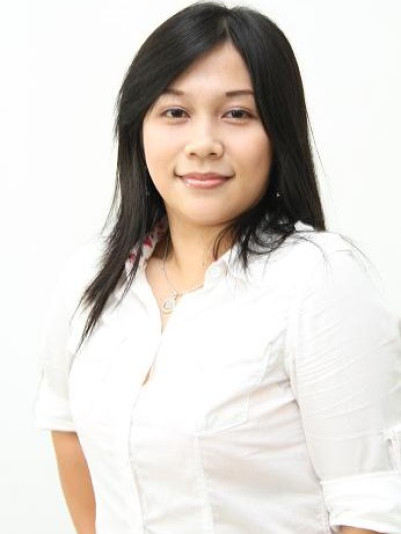
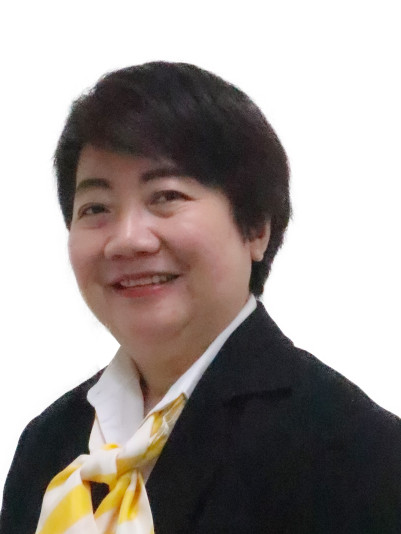
Tim
Peninjau dan pembuat konten berkualitas
Publikasi Jurnal
Terpercaya
Artikel yang Dikirim, 100% Diterbitkan!
Proses
Cepat
Memeriksa dengan cepat untuk mendapatkan Letter of Acceptance (LoA)
Mengapa memilih kami
Kami memberikan solusi terbaik untuk Kabupaten Tulungagung dan sekitarnya.
KPOI Kabupaten Tulungagung adalah pilihan yang tepat untuk publikasi jurnal Anda karena kami memiliki tim profesional yang terdiri dari pengulas dan pembuat konten berkualitas tinggi. Kami menjamin bahwa 100% naskah yang diterima akan diterbitkan, memastikan bahwa karya Anda mendapat tempat di jurnal Kabupaten Tulungagung.
Selain itu, kami menawarkan proses peninjauan yang cepat untuk memastikan Anda menerima Letter of Acceptance (LoA) dengan cepat tanpa mengorbankan kualitas. Pilih KPOI dan nikmati kemudahan dan jaminan dalam publikasi ilmiah Anda.
Jurnal Populer
Rekomendasi Jurnal Terbaik Kabupaten Tulungagung
Jurnal Teknologi dan Sains Internasioal
Jurnal Tekologi dan Sains Internasioal adalah jurnal yang meneliti mengenai sains dan teknologi yang berfokus pada diseminasi penelitian mutakhir di bidang enginering untuk wilayah Kabupaten Tulungagung. Diterbitkan secara berkala, jurnal ini menyediakan platform bagi para akademisi, peneliti, praktisi, dan mahasiswa untuk berbagi temuan penelitian, inovasi, dan analisis kritis yang berkaitan dengan berbagai aspek bisnis dan kewirausahaan di Kabupaten Tulungagung.

Jurnal Bisnis dan Kewirausahaan Kabupaten Tulungagung
Jurnal Bisnis dan Kewirausahaan (JBK) adalah jurnal ilmiah yang berfokus pada penyebaran penelitian mutakhir dalam bidang bisnis dan kewirausahaan. Diterbitkan secara berkala, jurnal ini menyediakan platform bagi akademisi, peneliti, praktisi, dan mahasiswa untuk berbagi temuan penelitian, inovasi, dan analisis kritis yang berkaitan dengan berbagai aspek bisnis dan kewirausahaan di Kabupaten Tulungagung.
Jurnal Aspirasi Masyarakat Pada Kehidupan Sosial Kabupaten Tulungagung
Jurnal ”Aspirasi Masyarakat Kabupaten Tulungagung” adalah publikasi ilmiah yang fokus pada kajian multidisipliner tentang peran, pandangan, dan partisipasi masyarakat dalam berbagai aspek kehidupan sosial, ekonomi, politik, dan budaya. Jurnal ini mengundang kontribusi dari peneliti dan akademisi yang mengeksplorasi isu-isu seperti partisipasi politik, pemberdayaan komunitas, keadilan sosial, identitas budaya, serta lingkungan dan pembangunan berkelanjutan.
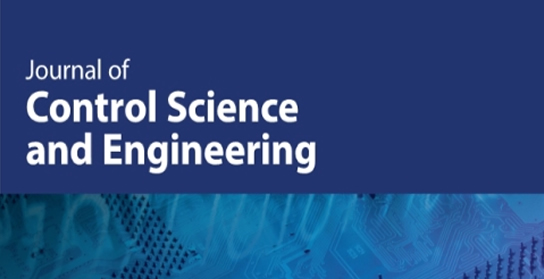
Jurnal Ilmu Sistem dan Teknik Kontrol
Jurnal Ilmu Sistem dan Teknk Kontrol adalah jurnal yang meneliti cara mengatur dan mengontrol perkembangan sains dan teknologi yang berfokus pada diseminasi penelitian mutakhir di bidang enginering untuk wilayah Kabupaten Tulungagung. Diterbitkan secara berkala, jurnal ini menyediakan platform bagi para akademisi, peneliti, praktisi, dan mahasiswa untuk berbagi temuan penelitian, inovasi, dan analisis kritis yang berkaitan dengan berbagai aspek bisnis dan kewirausahaan di Kabupaten Tulungagung.
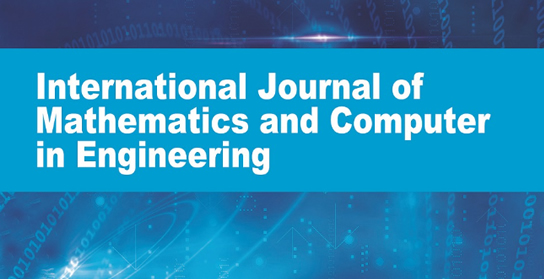
Jurnal Matematika Internasional dan Teknik Komputer
Jurnal Matematika Internasional dan Teknik Komputer adalah publikasi ilmiah yang fokus pada kajian multidisipliner tentang peran, pandangan, dan partisipasi masyarakat dalam berbagai aspek kehidupan sosial, ekonomi, politik, dan budaya. Jurnal ini mengundang kontribusi dari peneliti dan akademisi yang mengeksplorasi isu-isu seperti partisipasi politik, pemberdayaan komunitas, keadilan sosial, identitas budaya, serta lingkungan dan pembangunan berkelanjutan.

Jurnal Bisnis dan Kewirausahaan Internasional
Kabupaten Tulungagung Journal of Business and Entrepreneurship (IJBE) adalah jurnal ilmiah yang berfokus pada diseminasi penelitian mutakhir di bidang bisnis dan kewirausahaan untuk wilayah Kabupaten Tulungagung. Diterbitkan secara berkala, jurnal ini menyediakan platform bagi para akademisi, peneliti, praktisi, dan mahasiswa untuk berbagi temuan penelitian, inovasi, dan analisis kritis yang berkaitan dengan berbagai aspek bisnis dan kewirausahaan di Kabupaten Tulungagung.